
The making of a Luthiero instrument
From selecting solid tonewoods to the final soundpost adjustment, each instrument is shaped, assembled and finished by hand in the tradition of European violin making.
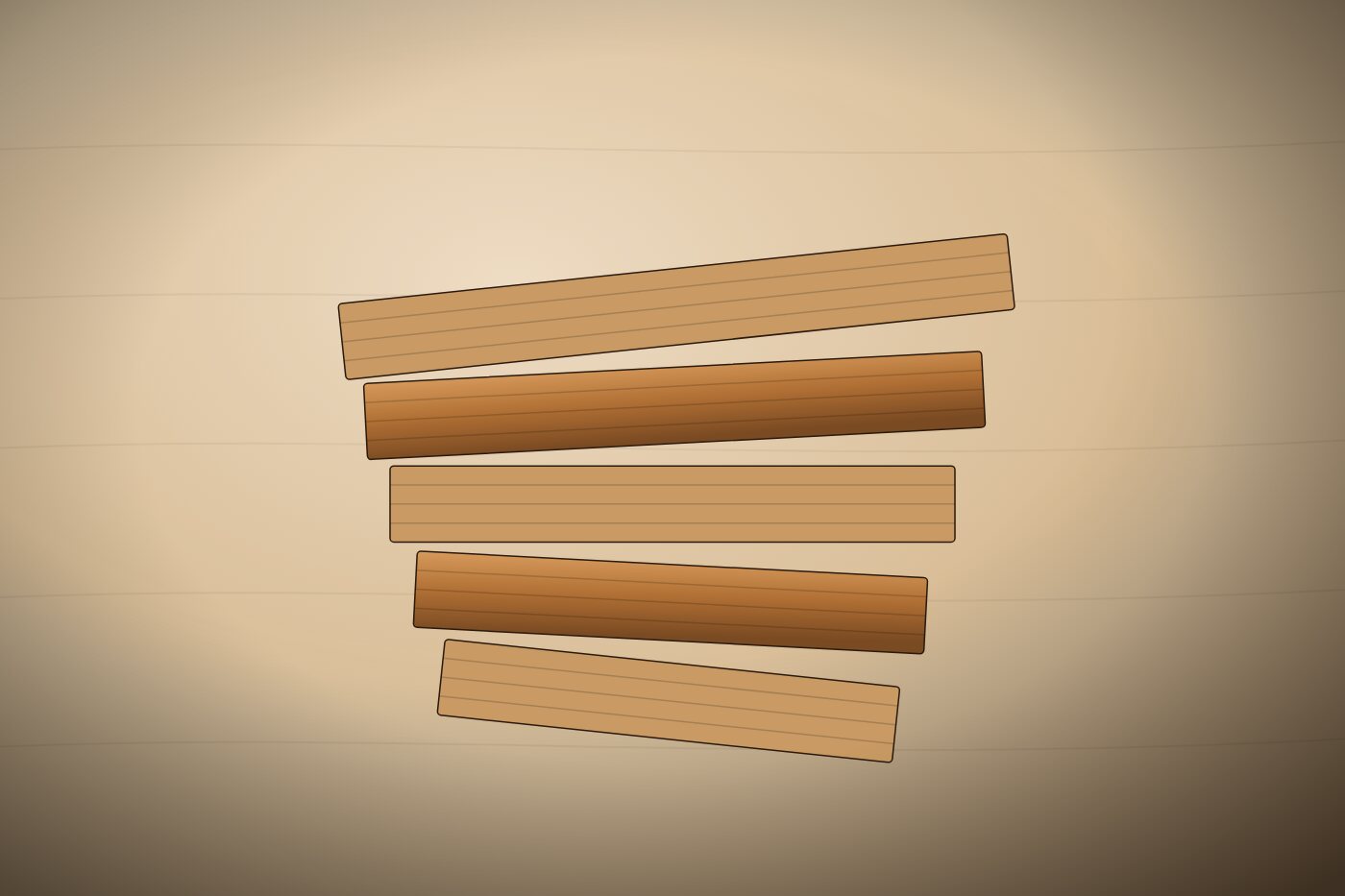
Solid wood, worked by hand
Instrument making is a craft of many small, careful decisions. The steps below describe the traditional luthier process our instruments follow — from raw tonewood to a finished, set-up instrument.
We build only in solid wood and carry out the work by hand, giving each instrument individual attention rather than treating it as one of many identical units.
From tonewood to finished instrument
Wood selection
We begin by selecting solid tonewoods — typically spruce for tops and maple for backs, ribs and necks — chosen for their acoustic and structural qualities.
Solid tonewoods
We work exclusively in solid wood. Plywood and laminated wood are never used, so the natural character of each piece can contribute to the instrument’s voice.
Hand carving
The tops and backs are carved by hand, following the traditional arching that shapes how the instrument responds and projects.
Graduating the plates
The top and back plates are graduated — refined in thickness by hand — to balance strength, flexibility and tone.
Rib construction
The ribs are bent and assembled around blocks and linings to form the sides of the instrument with accuracy and stability.
Neck & scroll work
The neck and scroll are cut, carved and fitted by hand, and set to the body for correct geometry and comfortable playability.
Assembly
The plates, ribs, neck and fittings are brought together and closed, forming the complete body of the instrument.
Varnishing
Each instrument is finished with a warm varnish, applied to protect the wood and bring out its natural colour and depth.
Bridge & soundpost setup
The bridge is fitted and the soundpost positioned by hand — adjustments that strongly influence tone, response and balance.
Final inspection
Every instrument is inspected for fit, finish and playability before it is considered complete.
Tonal evaluation
Finally, each instrument is played and evaluated for tone and response, so it leaves the workshop ready for the musician.
From raw wood to finished instrument
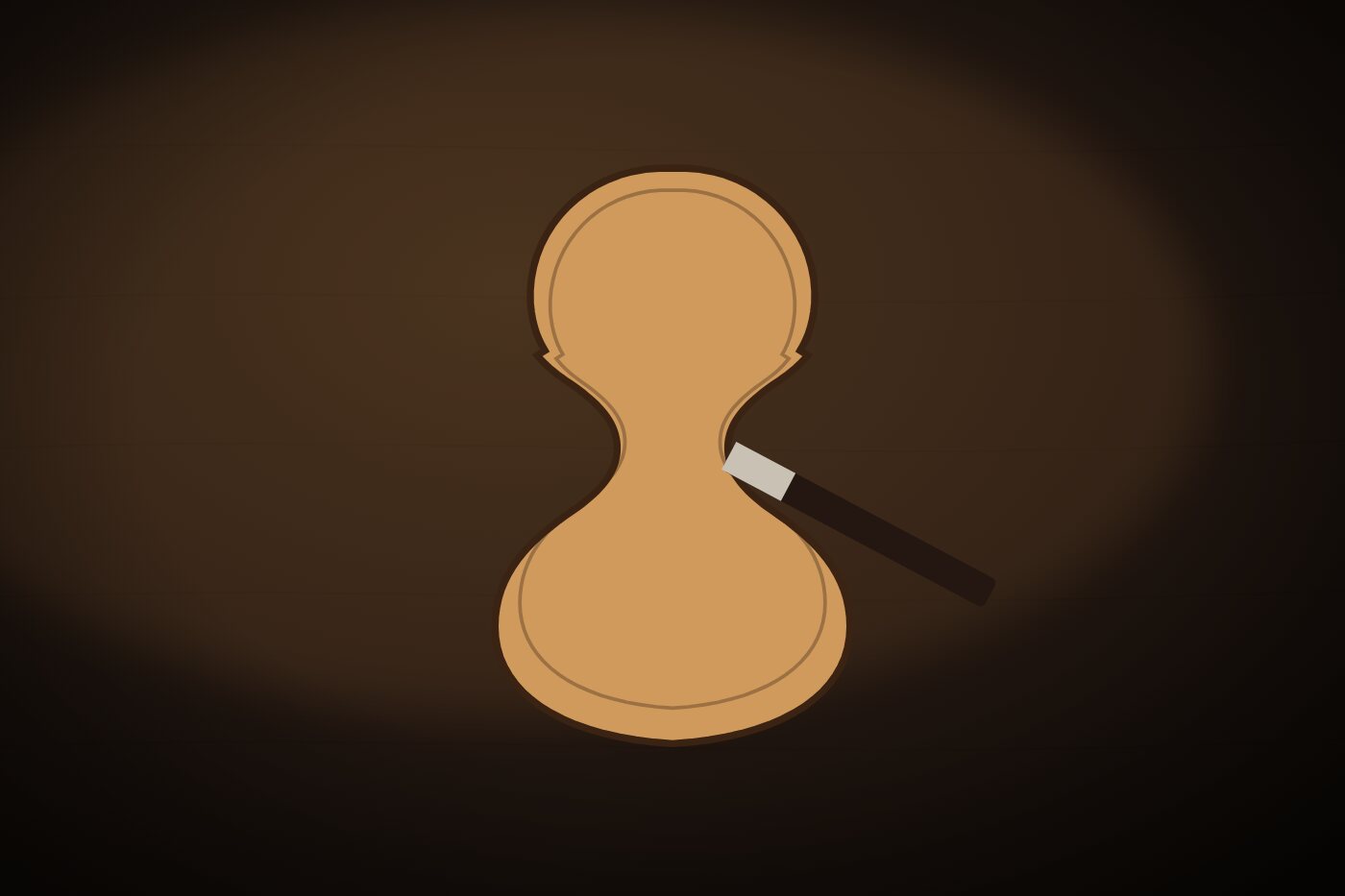
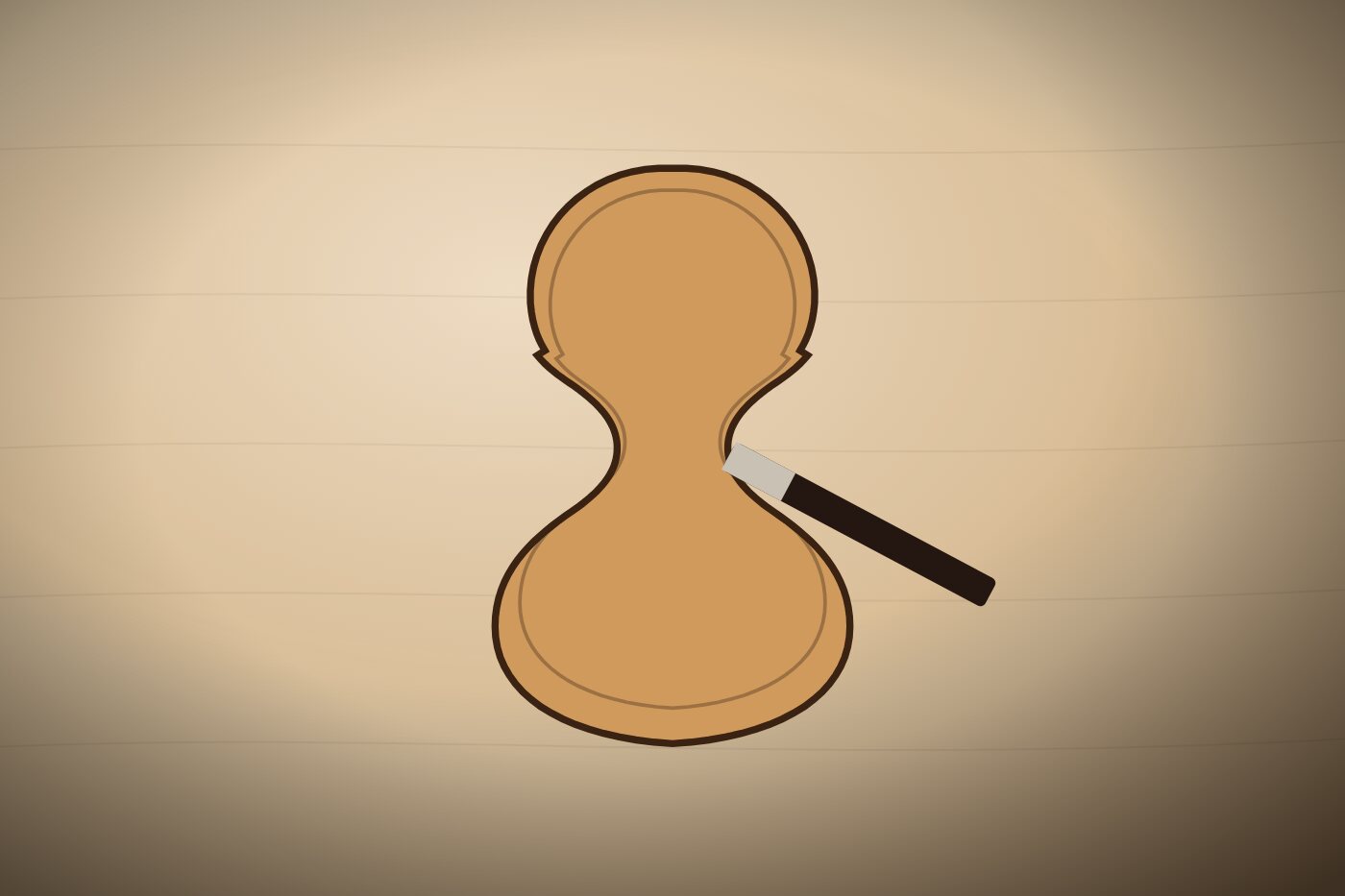

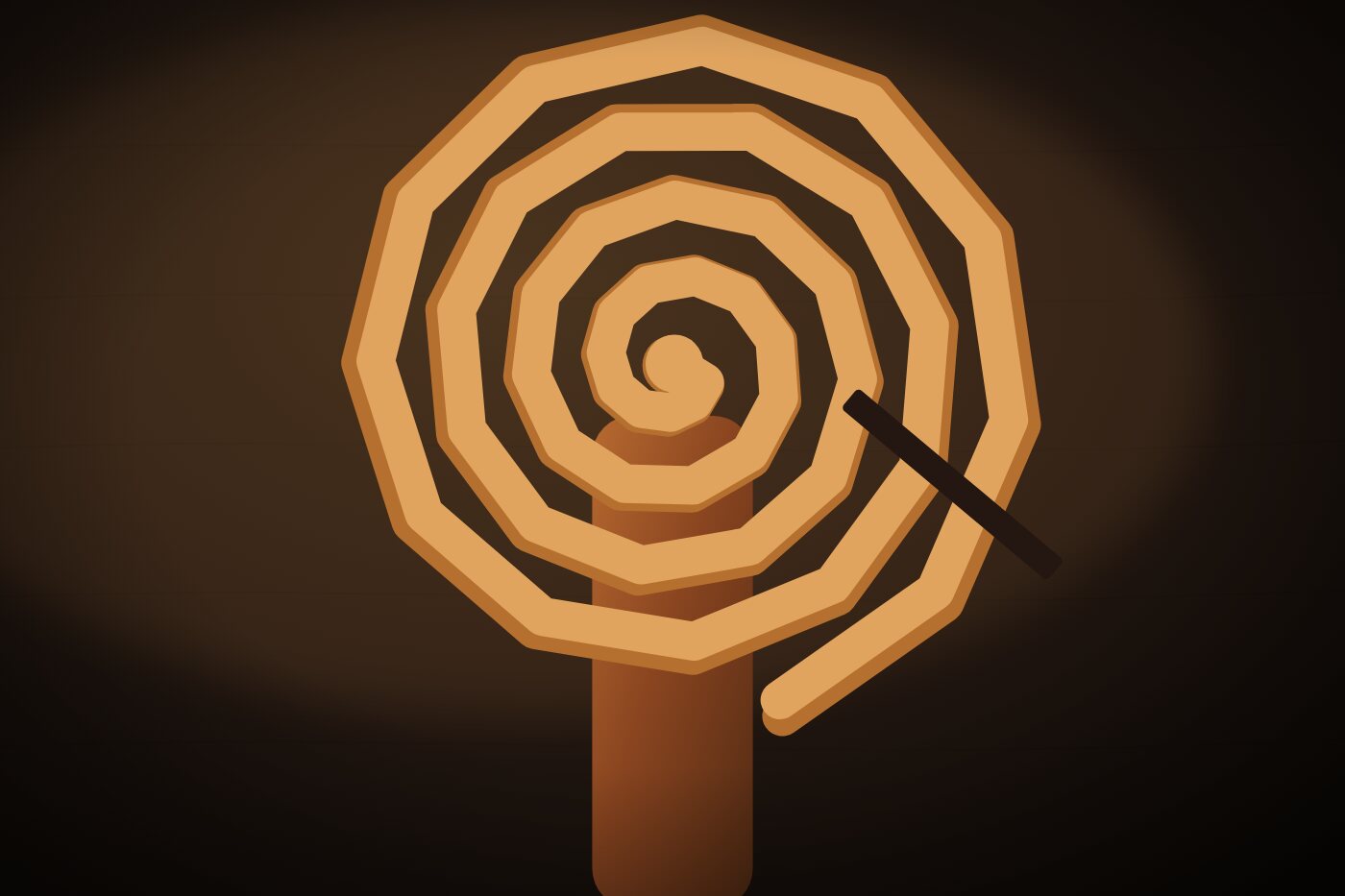
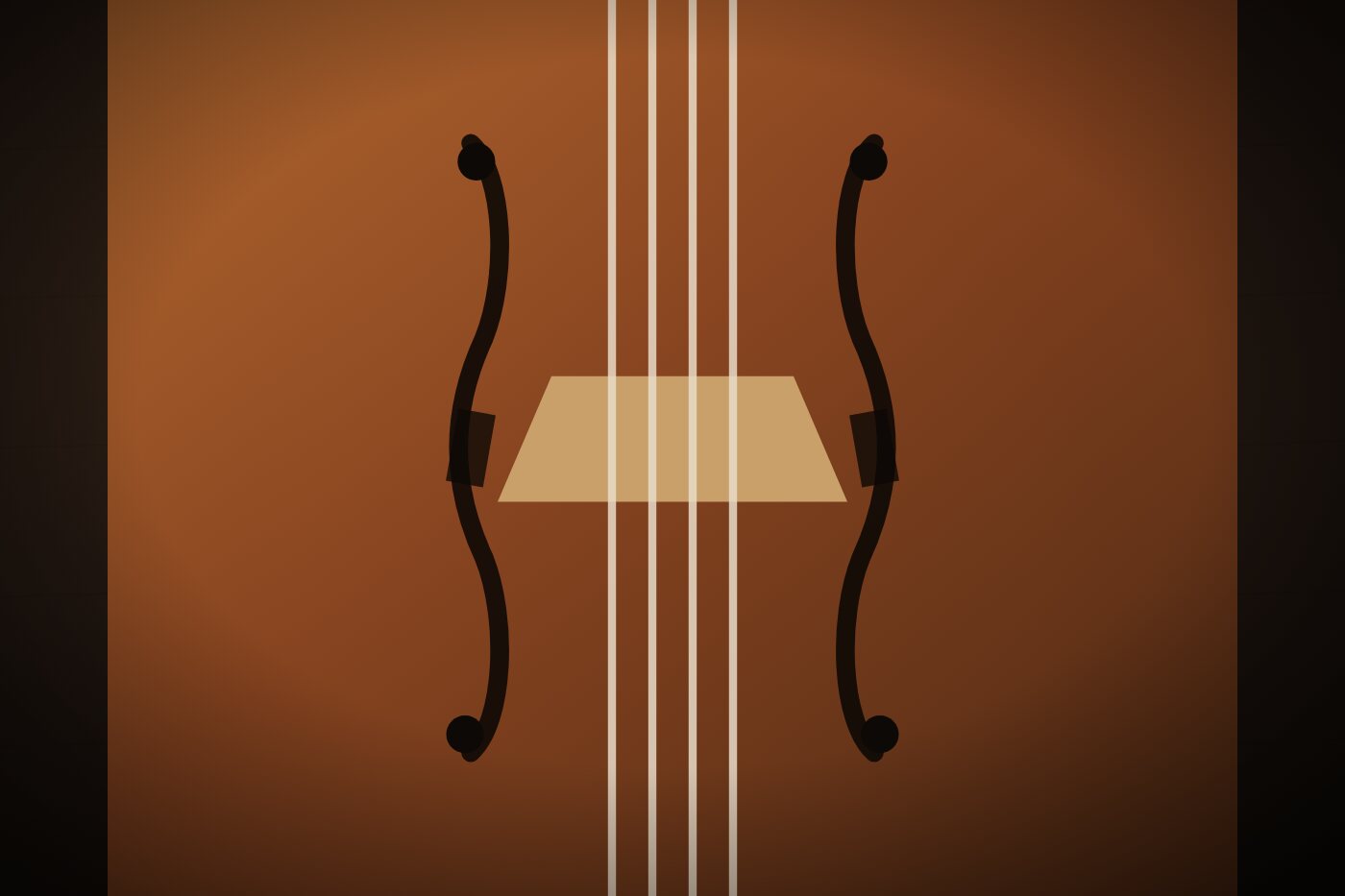
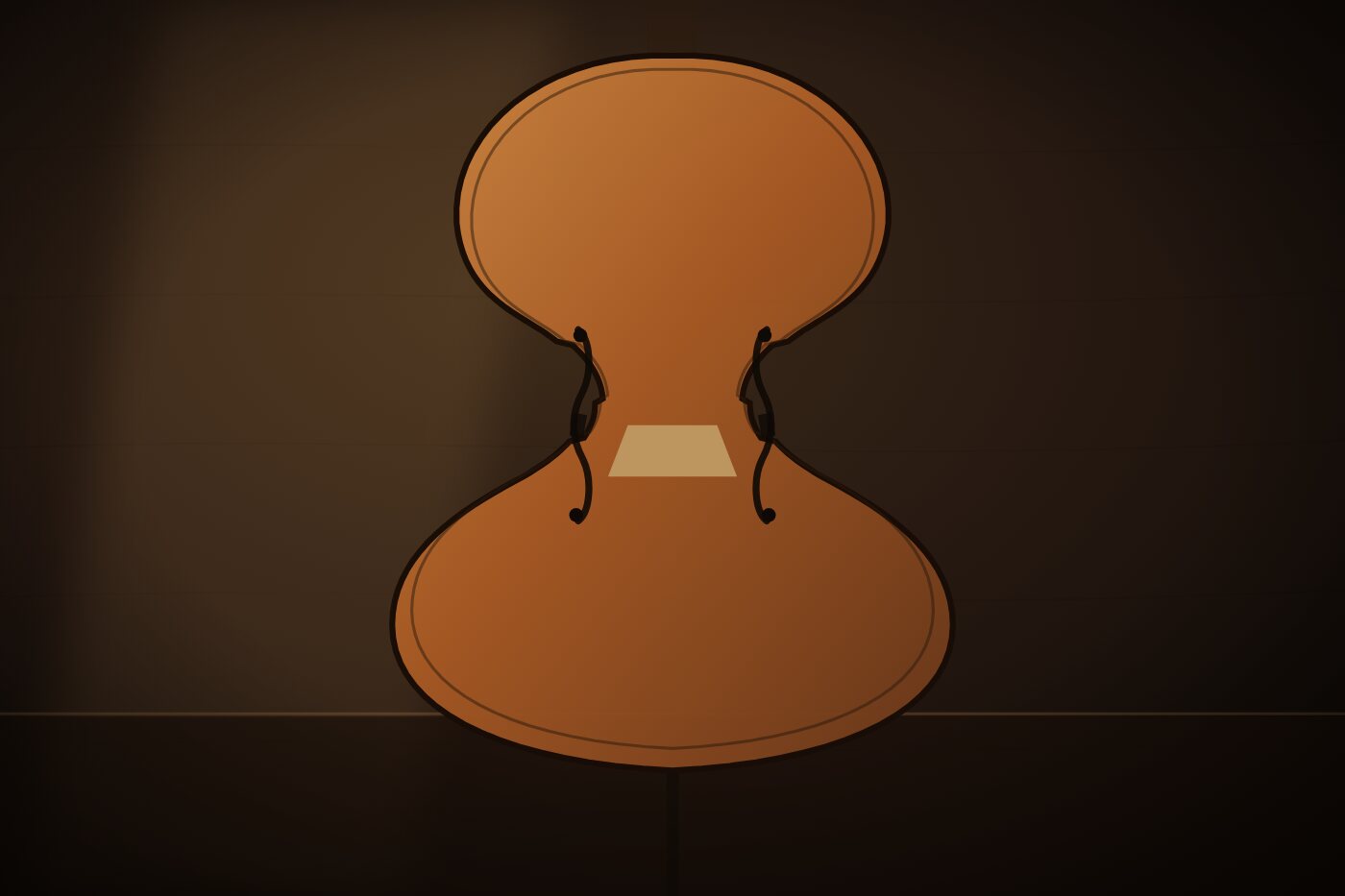
Every curve, joint and coat of varnish is judged by hand.
- Hand-carved and graduated plates
- Fitted neck, scroll and purfling detail
- Warm varnish over solid tonewood
- Individual setup and tonal evaluation
Interested in an instrument or a custom order?
Whether you are looking for a specific instrument or would like to discuss a custom order, we would be glad to hear from you.